

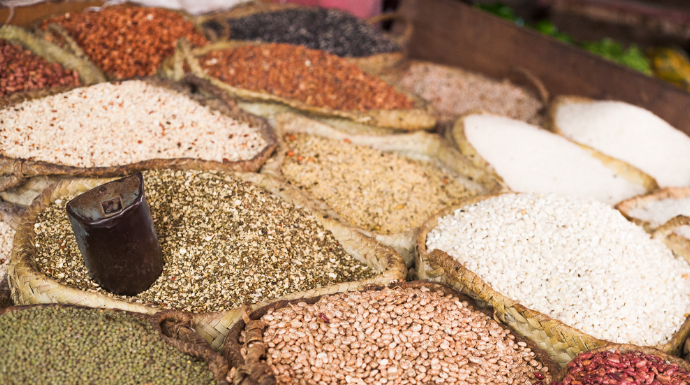
As health consciousness grows, many Zimbabweans are rediscovering the value of traditional foods that were once a staple of everyday life. Across both urban and rural communities, indigenous grains and vegetables are making a comeback, driven by their nutritional benefits, affordability and resilience to changing climatic conditions.
Small grains such as millet, sorghum and rapoko are increasingly finding their way back onto family tables. Nutritionists say these grains are rich in essential nutrients and offer healthier alternatives to highly processed foods. Traditional vegetables including mowa, nyevhe, blackjack and chomolia are also gaining popularity among households seeking nutritious and cost-effective meal options.
“Its so suprising how people have shifted their daily meals to traditional grains these days. We used to stock alot of refined but these days whats in demand is these mhunga, nyevhe and so many.” says Mai Makimborero a vendor at food stalls Copa cabana rank in Harare.
Farmers have also welcomed the renewed interest in indigenous crops, noting that many traditional varieties are better suited to Zimbabwe's changing weather patterns. Unlike some conventional crops, small grains can withstand dry conditions, making them an important option in areas affected by recurrent droughts.
Notably, restaurants and food vendors are beginning to incorporate traditional dishes into their menus, attracting customers looking for authentic Zimbabwean flavours. Health experts have also encouraged the consumption of traditional foods as part of efforts to combat lifestyle-related diseases linked to poor diets.
Agricultural extension officers and community groups are supporting initiatives aimed at preserving indigenous seeds and farming knowledge. Through food fairs, cooking demonstrations, and educational campaigns, communities are promoting the cultural and nutritional importance of traditional foods.
Many in Zimbabwe believe that embracing indigenous foods could play a key role in improving food security while preserving the country's rich culinary heritage for future generations.
اترك تعليقاً
لن يتم نشر عنوان بريدك الإلكتروني. الحقول المطلوبة مشار إليها بـ *